
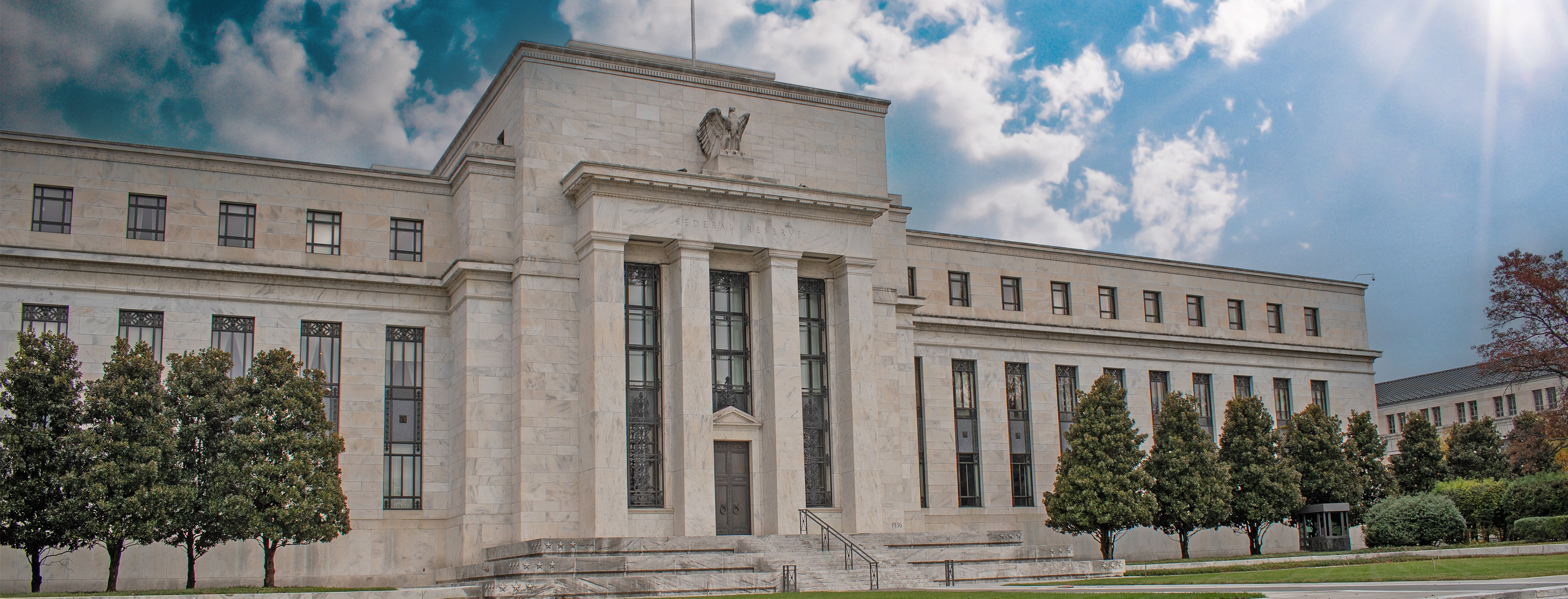
Planning for retirement means making smart financial decisions today. One often-overlooked factor in that planning? The Federal Reserve—commonly known as “the Fed.” Its decisions directly affect your savings, investments, and long-term financial security.
What is the Federal Reserve and Why Should You Care?
The Federal Reserve is the central bank of the United States. Its job is to keep the economy healthy by managing inflation, controlling interest rates, and stabilizing the money supply, as well as promoting maximum employment. While that might sound far removed from your day-to-day life, these decisions ripple down to things that matter to you—like how much you earn on your savings or how affordable it is to borrow money.
The FOMC: The Decision Makers Behind the Scenes
The Federal Reserve System comprises 12 independent, regional Reserve Banks throughout the United States, the Board of Governors in Washington, D.C., and the
Federal Open Market Committee (FOMC). The FOMC meets throughout the year to determine whether to raise or lower interest rates based on the state of the economy. These rate decisions influence everything from the performance of your 401(k) to the interest you earn on your savings or fixed annuities.
What Fed Decisions Mean for Your Money
Here's how changes in interest rates can impact your retirement outlook.
| WHEN THE FED RAISES RATES | WHEN THE FED LOWERS RATES | ||
|
| ||
|
| ||
|
|
Why This Matters for Retirement Planning
Understanding the Fed's role can help you:
- Time your big decisions - like refinancing or rebalancing your retirement portfolio more strategically.
- Adjust your financial portfolio mix based on where interest rates and inflation are heading.
- Stay confident when markets get volatile, knowing your plan is grounded in informed choices.
Bottom Line
What happens at the Fed might seem like financial fine print, but it can shape how soon you retire and how comfortably you live once you do. The more you understand how monetary policy affects your personal finances, the more empowered you’ll be to make the right moves for your retirement future.
Your path To and Through Retirement® begins here.
Talk to your financial professional to learn more or contact us at 800.888.2461
Additional Topics

How Do the Fed's Interest Rate Moves Impact Your Wallet?Knowing what interest rate activity means can help you make informed decisions and explore savings vehicles that are right for you. | 
Defeating the DownsideUnderstand the history of volatile stock markets, prepare for the future, and protect your savings...and peace of mind. |